
公司簡介

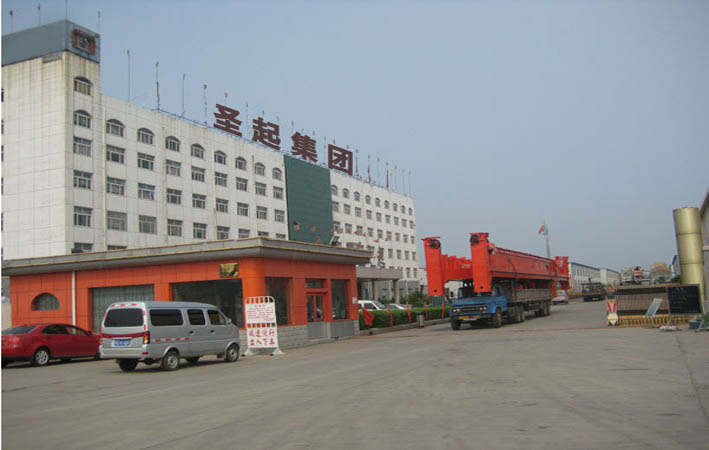 河南圣起機械集團是中國重型機械工業協會會員單位,成立于1984年,多年來在政府與客戶群體、社會各界的大力支持下公司不斷發展壯大并拓寬產業鏈,相續設立了河南圣起機械集團有限公司、越南圣起有限公司、河南圣起機械安裝有限公司、圣起運輸有限公司等。“河南圣起機械集團將作為本集團的總機構中樞”所有相關業務全部由圣起集團擇義履行與實施。圣起集團主要生產“圣起”牌雙梁起重機、門式起重機、單梁起重機、電動葫蘆、架橋機、裝卸橋、過軌機、抓斗及防爆、絕緣、電磁、變頻、冶金鑄造起重機等各系列多品種物流設備為主導,集設計、開發、制造、安裝、維修為一體的高科技股份制企業,公司...
新聞資訊
- 橋式、門式起重機設“雙限位”裝置的常...(2022-09-21)
- 速查鋼軌|軌道|道軌|工字鋼的規格尺寸和...(2021-08-24)
- 采購起重機第一課-起重機的主要參數(2021-07-20)
- 鑄造起重機和一般起重機的不同(2021-08-20)
- 電動葫蘆是特種設備嗎?需要型式試驗嗎?...(2021-05-28)
- 安裝(加裝)高度限位裝置——市場監管...(2021-03-14)
- 電動葫蘆安裝方法教程(2021-02-07)
- JB/T 3695-2008 電動葫蘆橋式起重機(2021-02-07)
- GB6067-2010起重機械安全規程(2021-02-07)
- 電動懸掛過軌起重機(2021-01-27)
產品展示
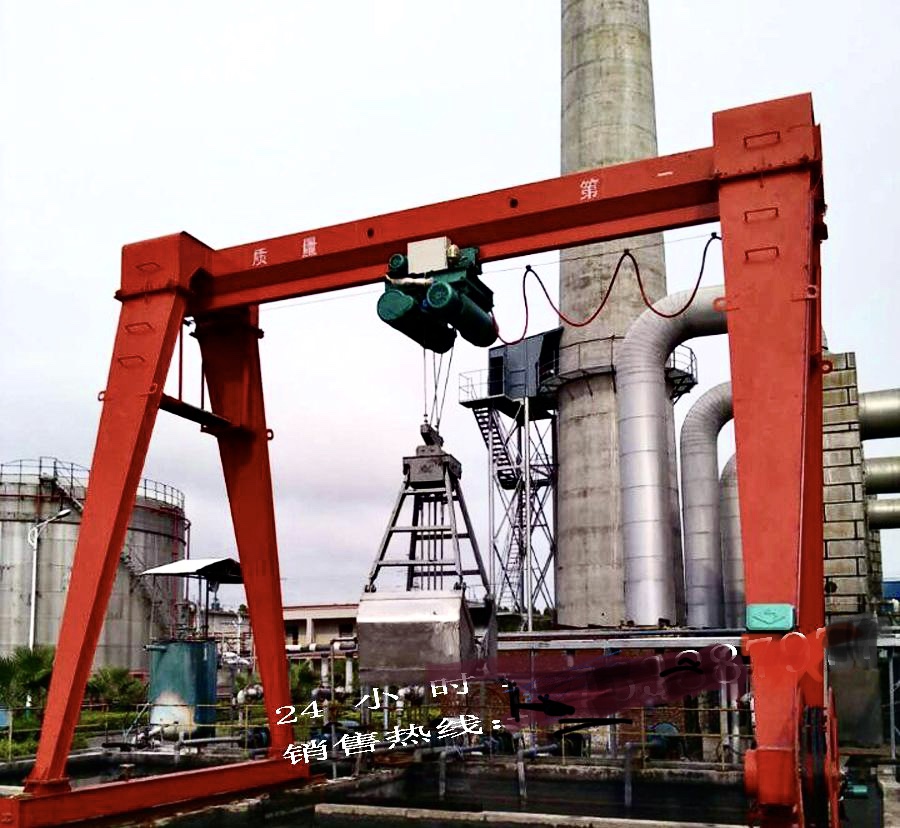 葫蘆門式抓斗起重機
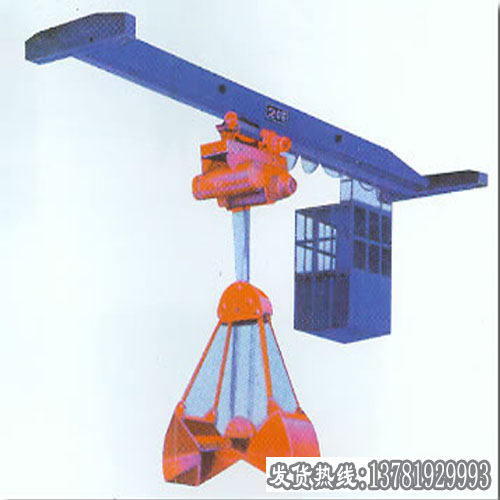 LZ單梁抓斗起重機
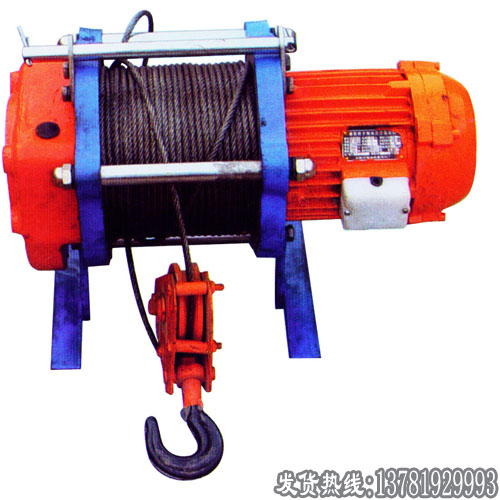 亂盤繩電動葫蘆
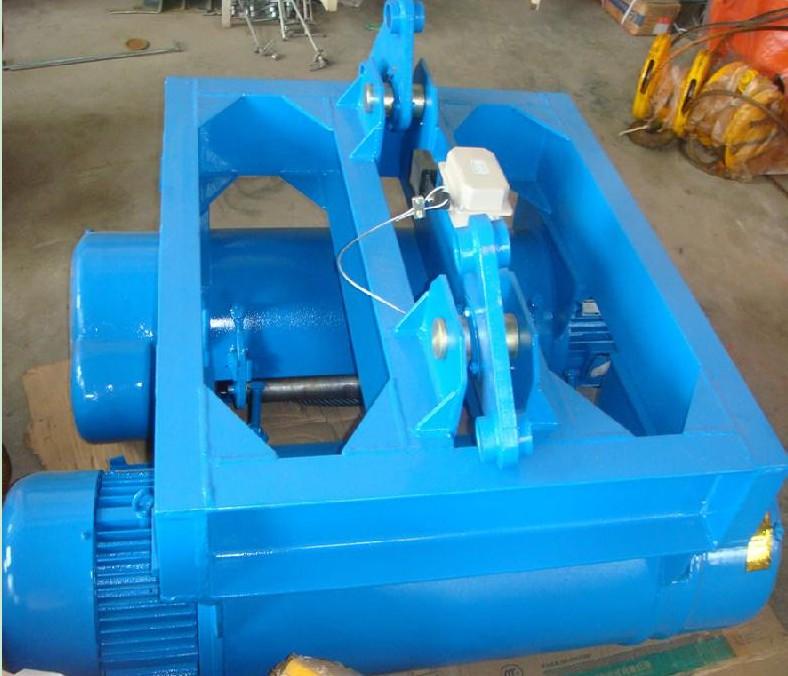 抓斗雙電動葫蘆
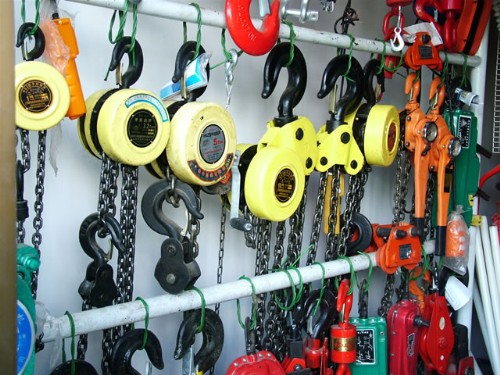 手拉葫蘆-環鏈葫蘆-手動葫蘆
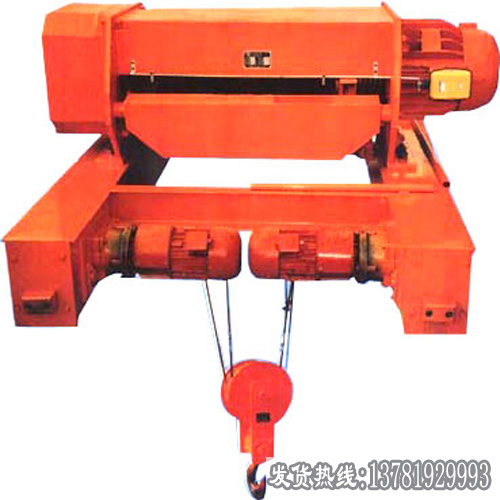 電動葫蘆及小車架
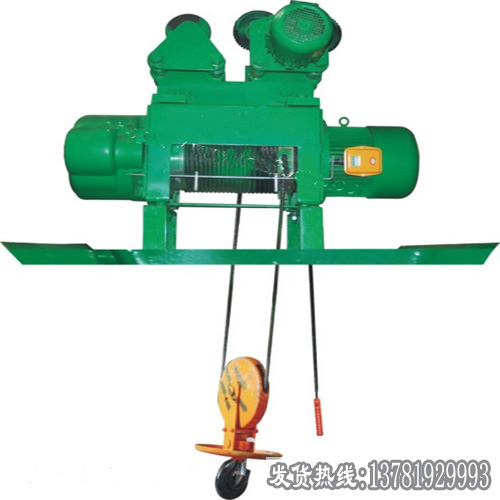 冶金電動葫蘆
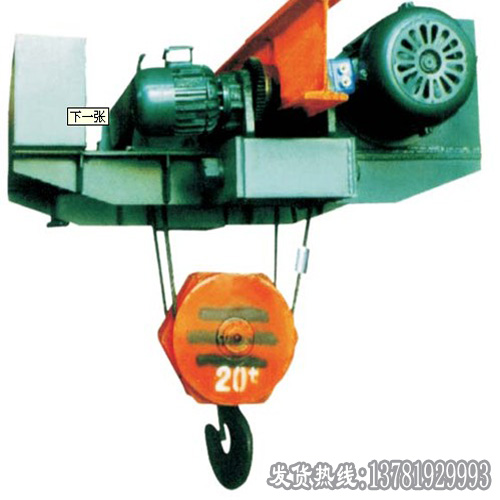 低凈空電動葫蘆
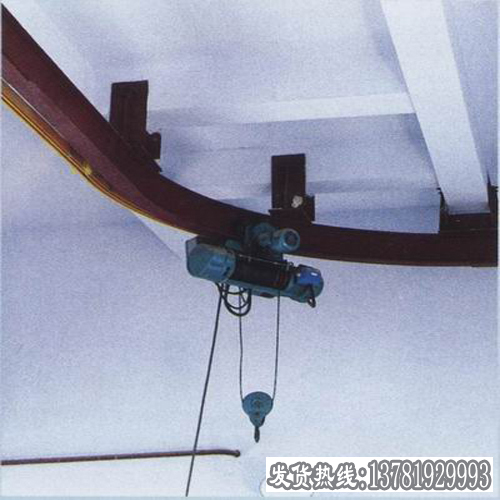 CDW型彎道電動葫蘆
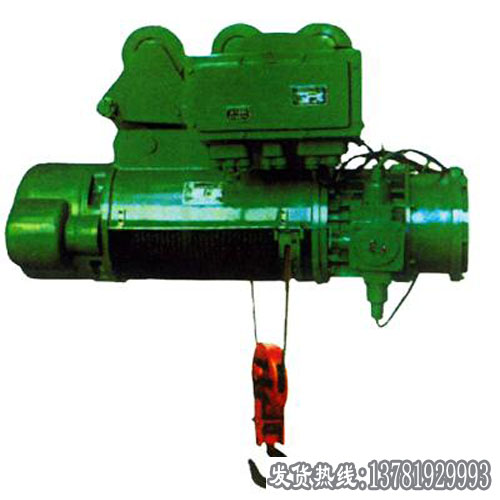 BCD防爆電動葫蘆
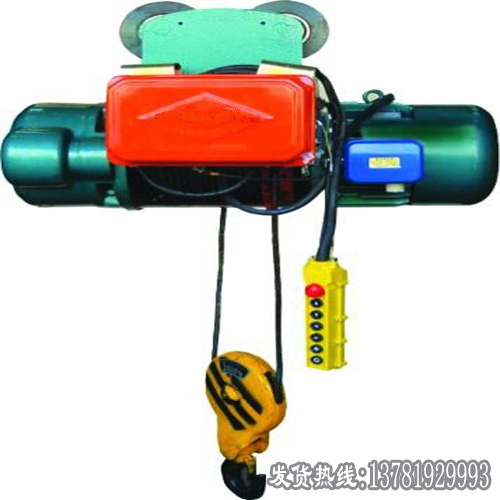 CD/MD型鋼絲繩電動葫蘆
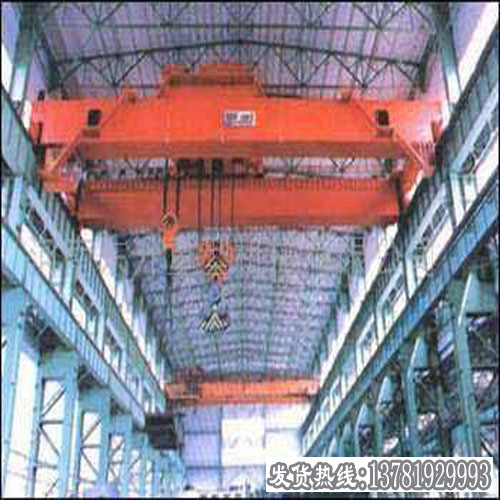 QN抓斗吊鉤兩用橋式起重機
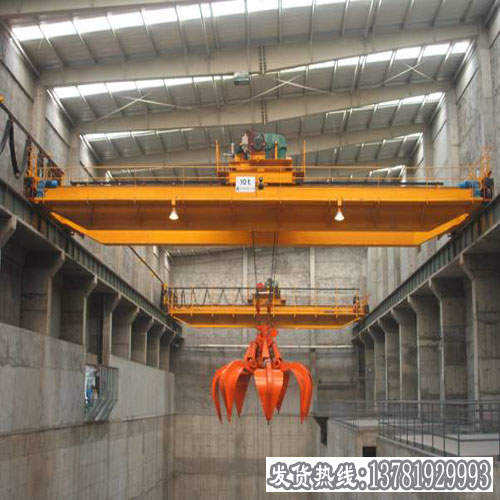 QZ型抓斗橋式起重機
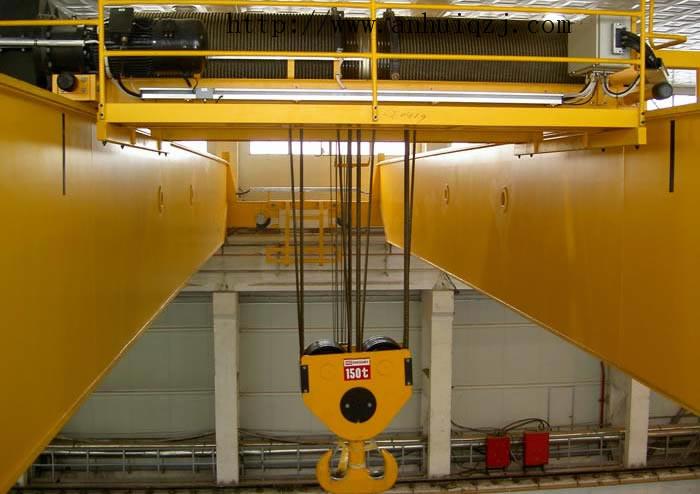 歐式小車
歐式小車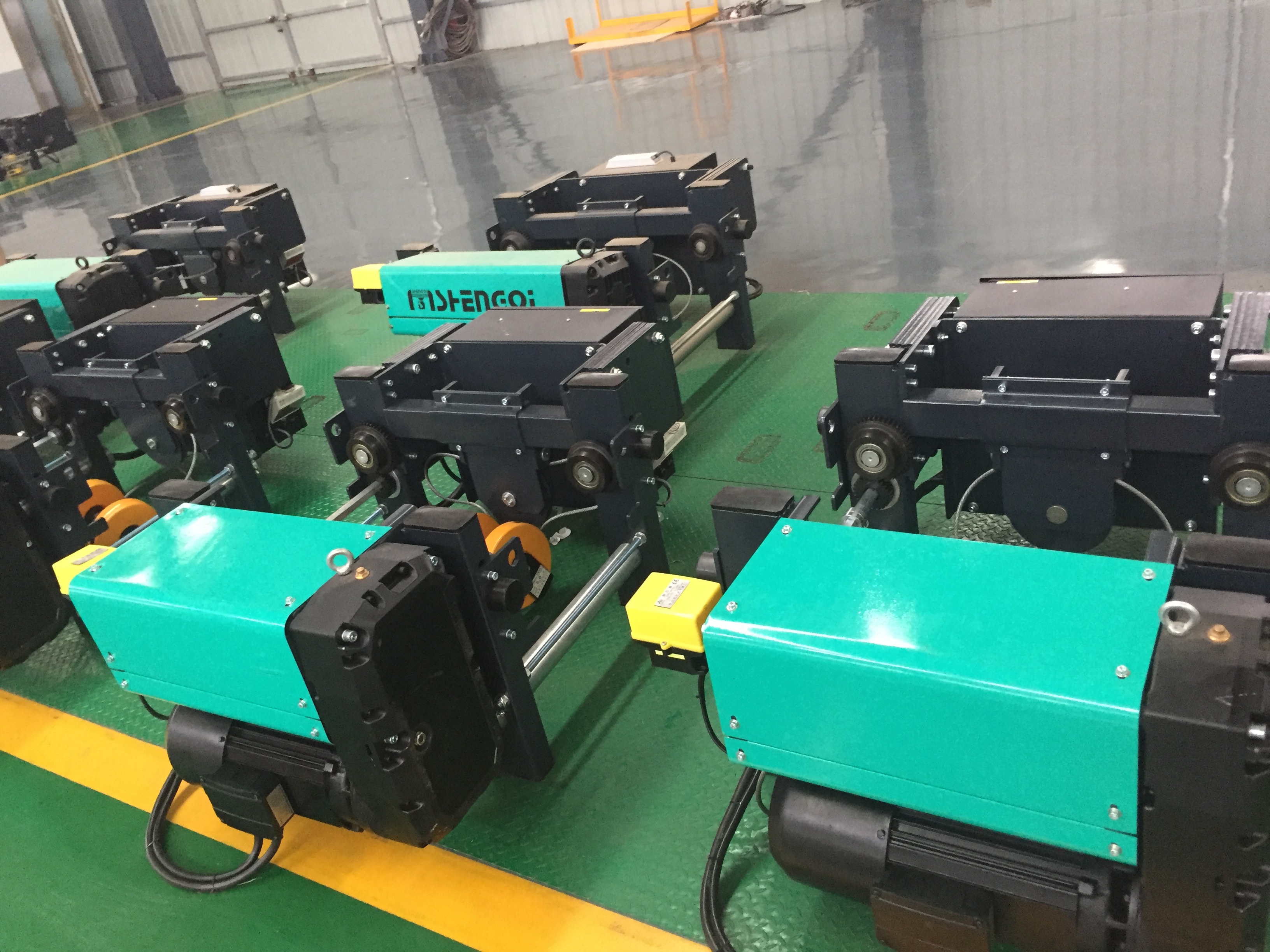 歐式葫蘆
歐式葫蘆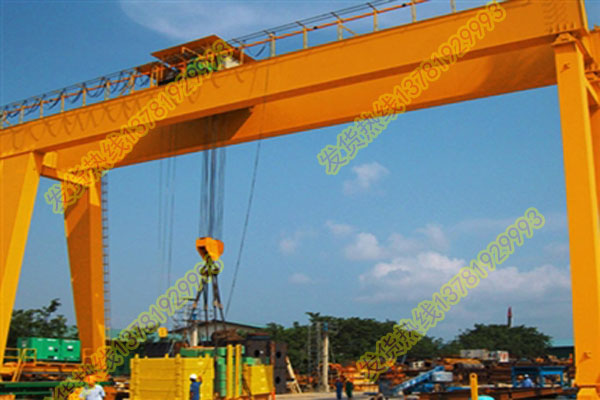 歐式雙梁門式起重機
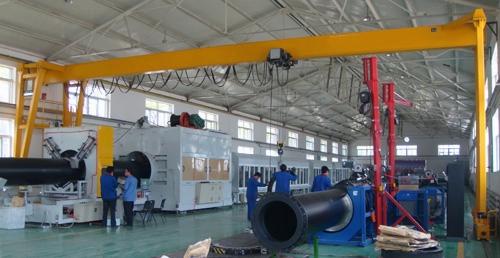 歐式單梁葫蘆門式起重機
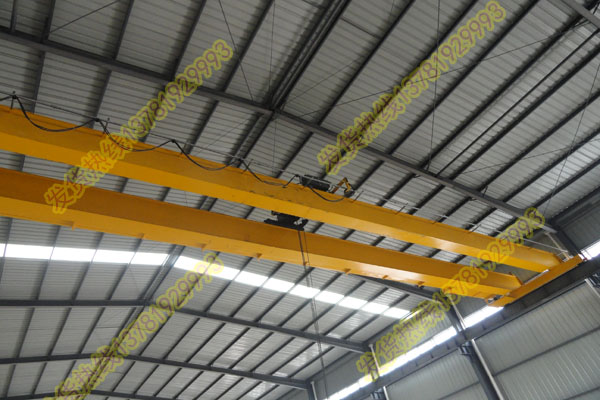 CXTD歐式雙梁起重機
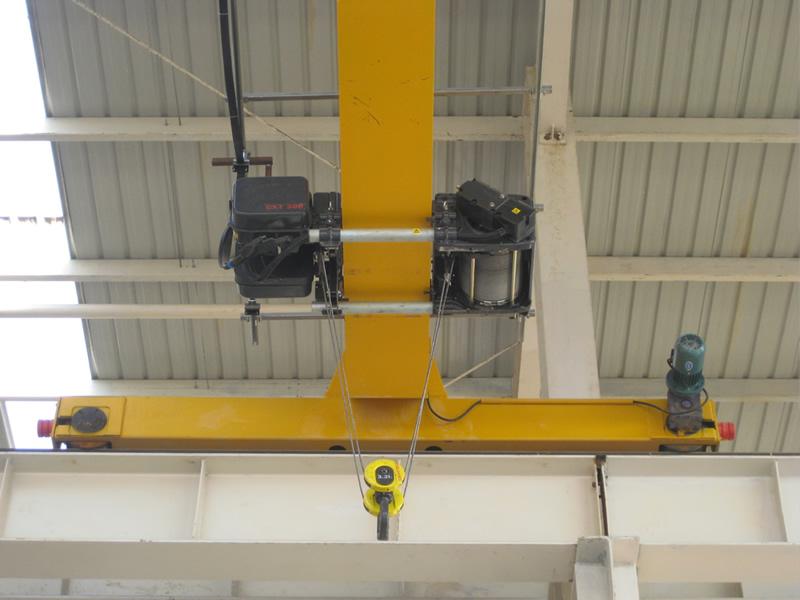 CXTS型歐式單梁起重機
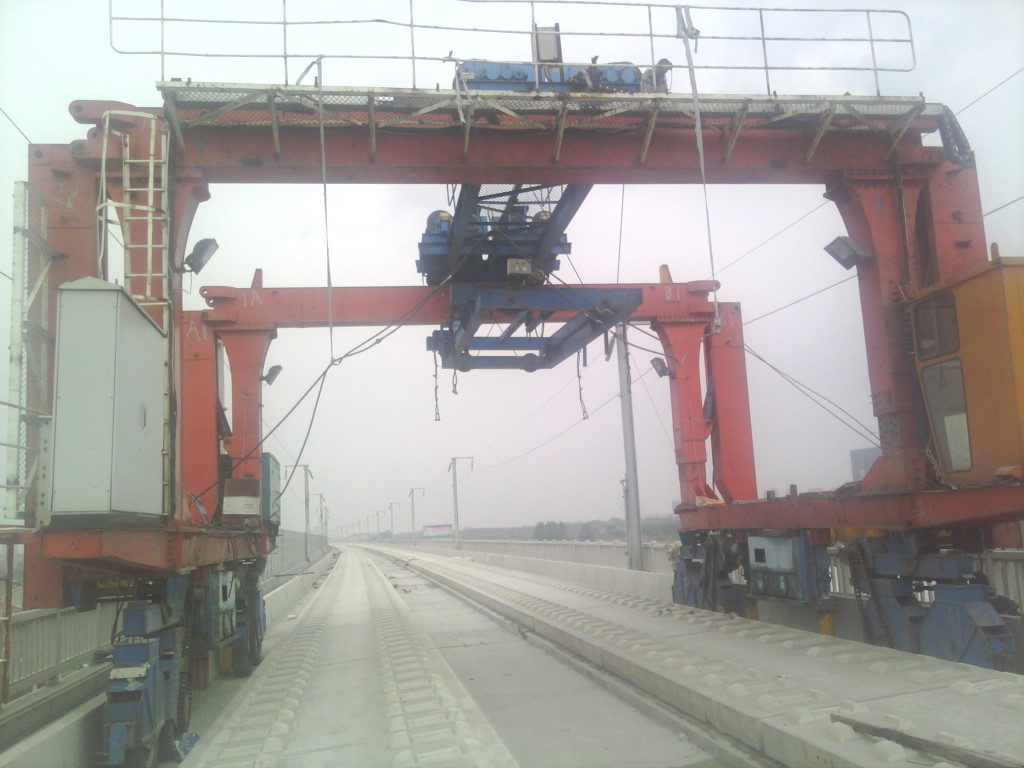 輪胎門式起重機
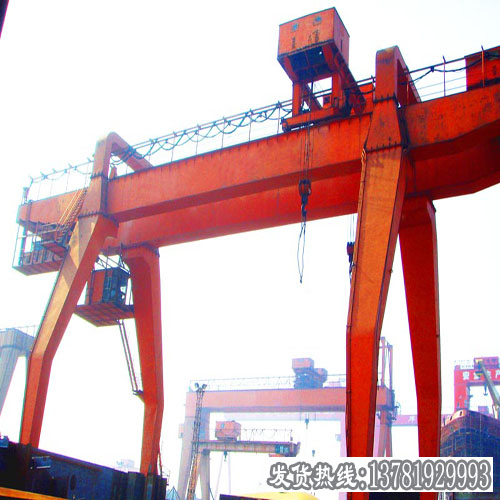 A型門式起重機
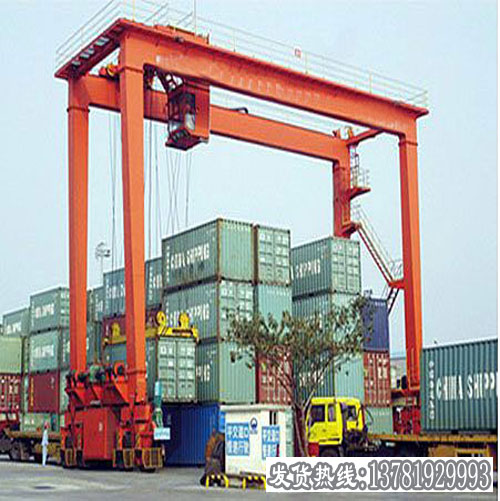 集裝箱門式起重機
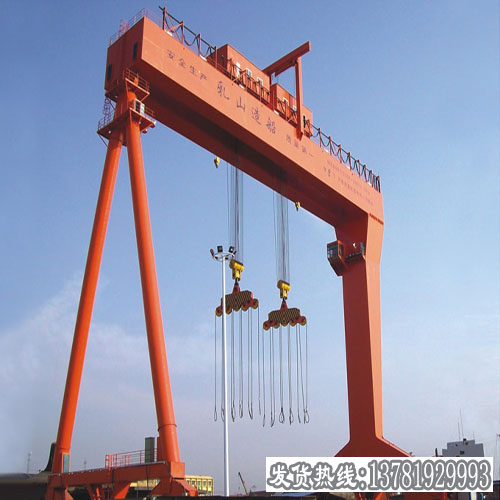 造船門式起重機
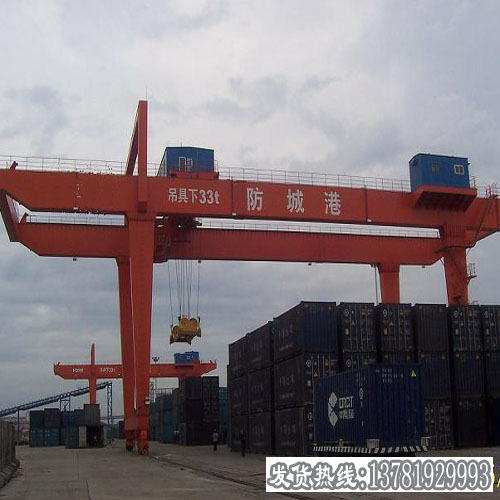 雙梁U型吊鉤門式起重機
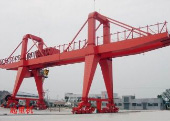 MG型雙梁A型吊鉤門式起重機
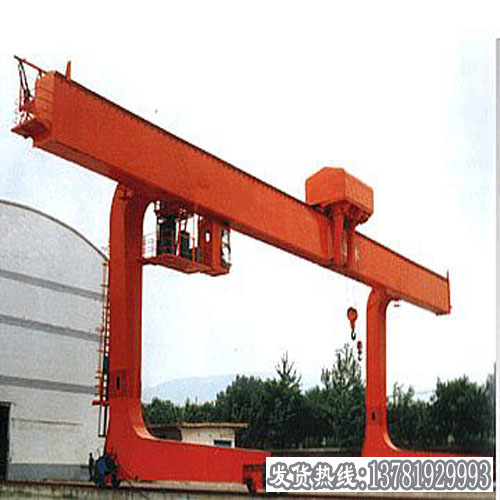 L型單梁吊鉤門式起重機
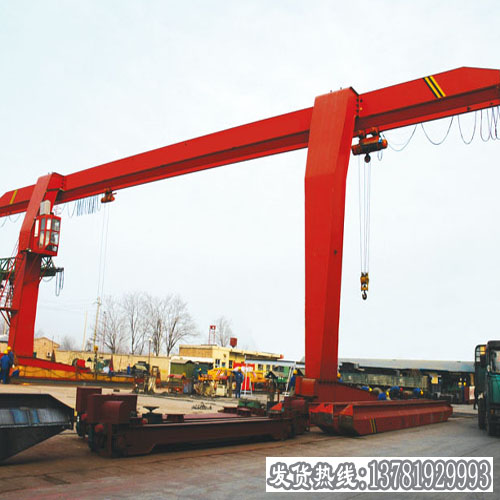 L型5T、10T葫蘆門式起重機
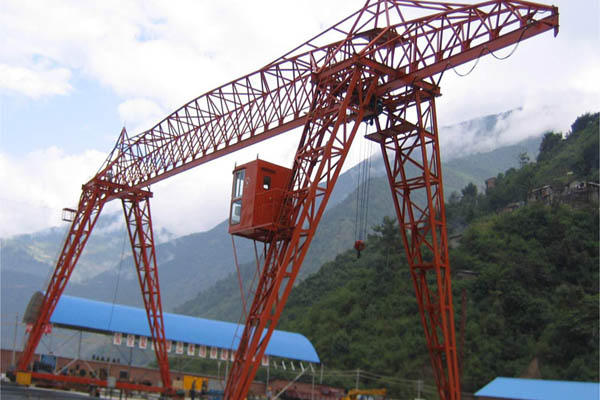 MH型電動葫蘆門式起重機(桁架式).
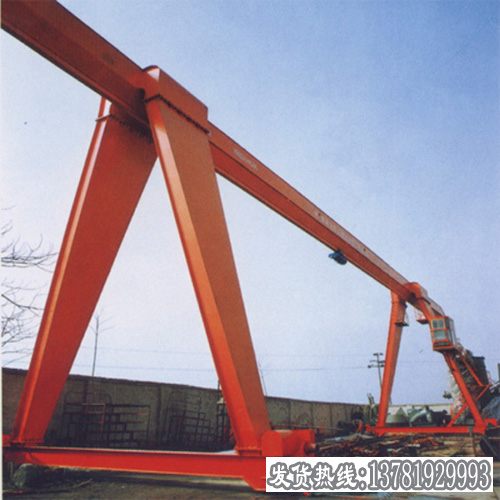 MH型葫蘆門式起重機(包箱式)
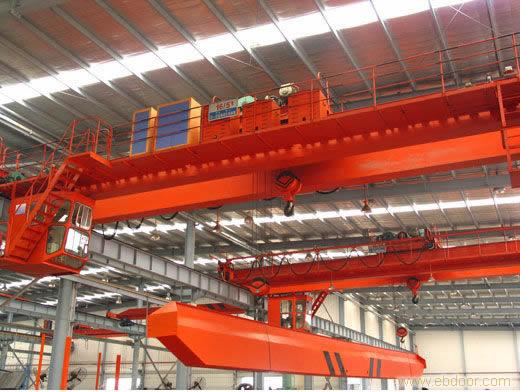 QD型吊鉤雙梁橋式起重機